Monday, November 11, 2019

Terminator: Dark Fate - Hot Lead and Cold Feet


It's been 28 years since James Cameron unleashed Terminator 2: Judgement Day, still deservedly regarded as one of the best sequels of all time. Cameron is a master of set piece kinetics, and Judgement Day delivered like crazy, along with dynamite characters you cared about, and a solid dose of humor. Audiences couldn't get enough.

In the intervening years, there have been three previous efforts to resurrect the franchise, with Terminator 3: Rise of the Machines (2003), Terminator Salvation (2009), and Terminator Genisys (2015), with the The Sarah Connor Chronicles TV series sandwiched in there in 2008. Without substantial involvement from James Cameron, none of these projects found any lasting success.

The good news is, for Terminator: Dark Fate, Cameron got involved again - though being too busy making numerous Avatar sequels, farmed out directing duties to Deadpool director Tim Miller, with a screenplay by David S. Goyer, Justin Rhodes, and Billy Ray. The team decided to pretend that none of these failed Terminator sequels ever existed, positioning Dark Fate as the first direct sequel to Judgement Day. More good news - they largely succeed, and the film is rated R. But they don't wholly succeed, and given the film's box office under-performance, it's easy to see why.

Part of the problem is they essentially go the remake/sequel hybrid route, with Dark Fate attempting to exhume the fundamental dynamic of the original (1984) Terminator, a heroic soldier from the future going back in time to try to prevent a hostile Terminator from assassinating the woman who brings their reign of terror to an end - a move that feels like calculated franchise avarice more than storytelling.

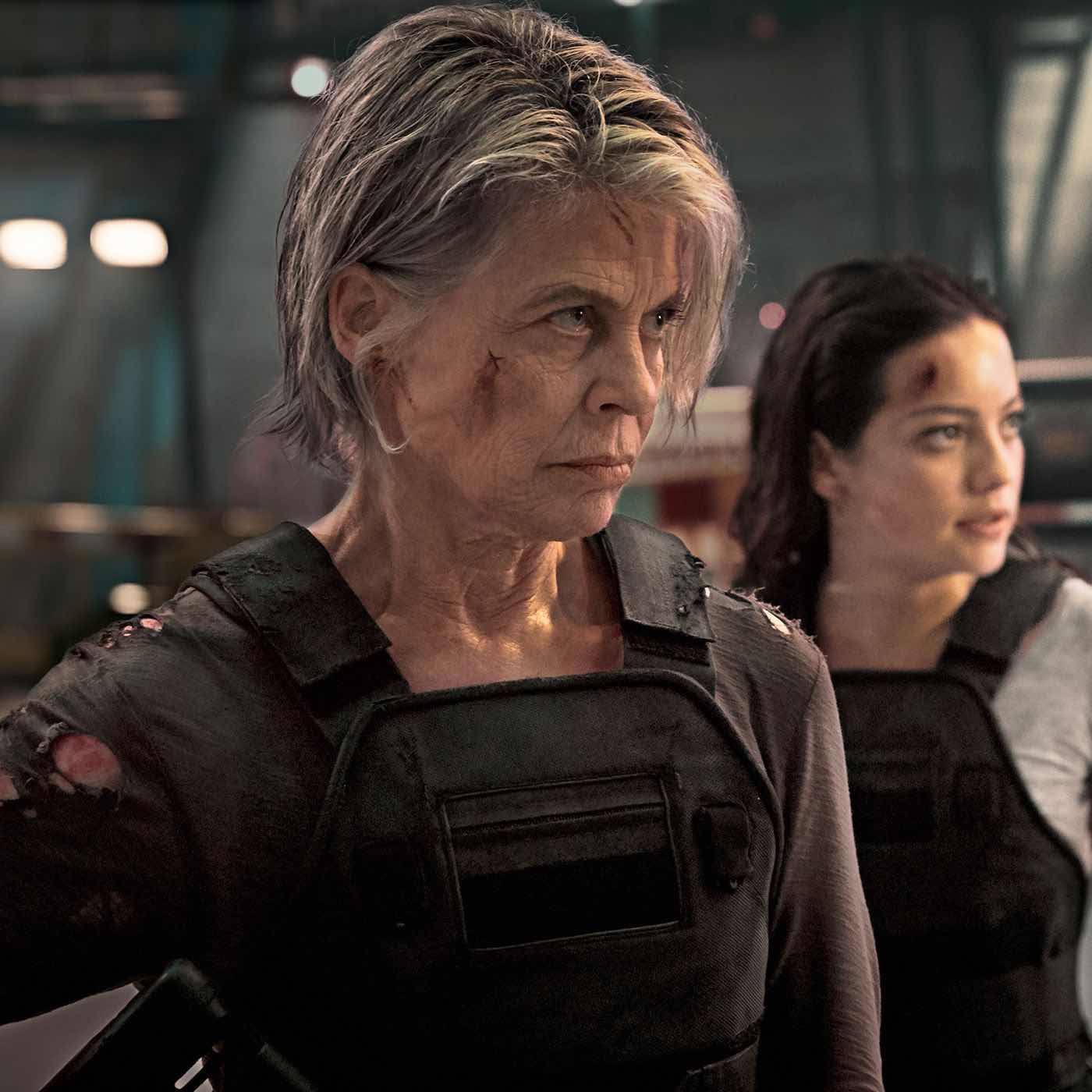
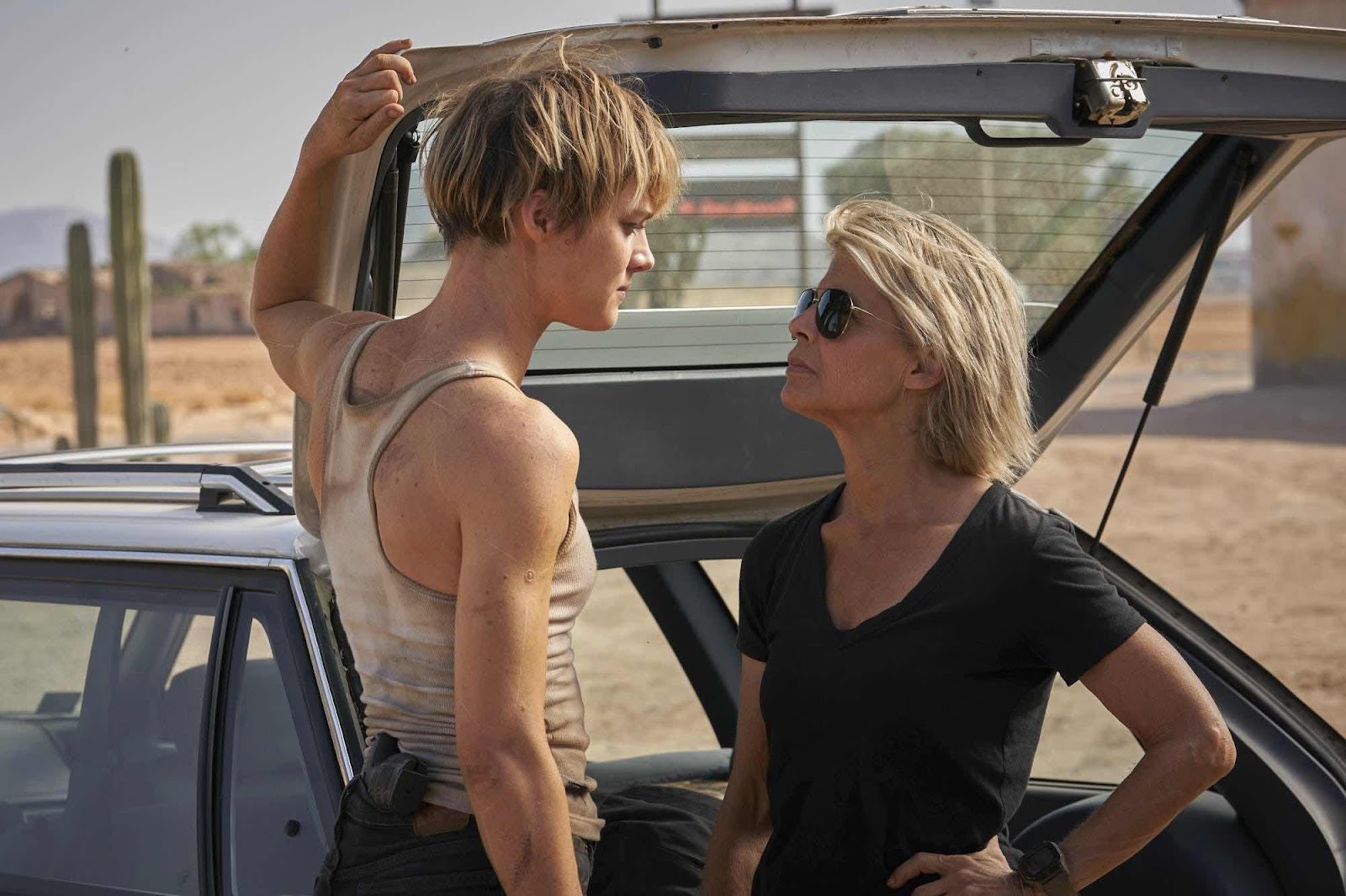
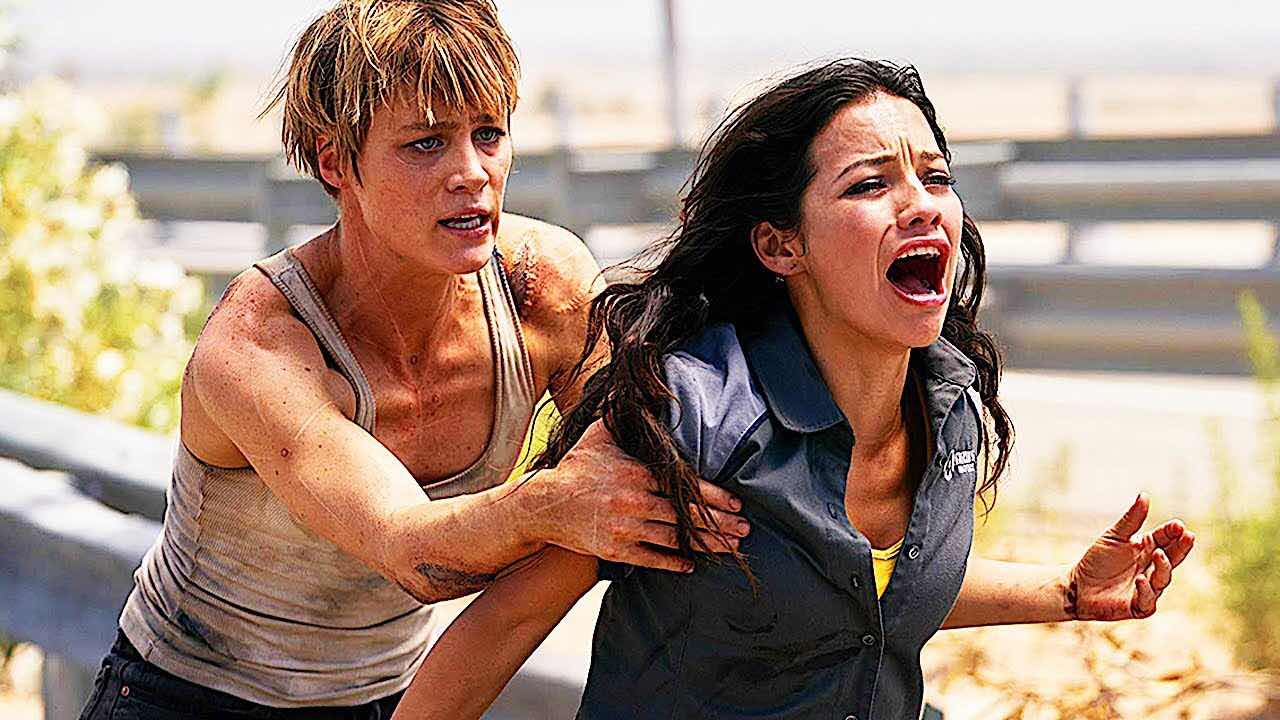
The result is a frustrating experience, in large part due to the casting. The headline here is Mackenzie Davis (Halt and Catch Fire) as Grace, essentially the Kyle Reese character - a cybernetically enhanced future soldier with simply phenomenal combat skills. It's a star-making performance, and Davis throws herself into the role with 300% commitment and 1000 watt star power. With Grace, Davis jumps to the immediate front of the line for all heroic action roles, male or female - period. Imagine a short-tempered sci-fi Valkyrie version of Megan Rapinoe. Davis kicks every kind of ass there is, and is thankfully in nearly every scene of the film.

Likewise, an incredibly savvy move is luring back Sarah Connor herself, Linda Hamilton, who brings a very similar take to the character to what Jamie Lee Curtis achieved in last year's Halloween sequel - a hardcore, gun-toting sexegenarian, in a new chapter that ignores all the previous lamer chapters that came before. Hamilton is awesome, and has definitely not mellowed with age. She does vigilant paranoia and rage better than anybody, and when she teams up with Davis, the two make a serious house on fire.

Also got to hand it to Arnold Schwarzenegger, who pulls anchorman duty in a surprising way that genuinely works. I wish he'd entered the plot sooner than he does, but it totally satisfies, and his scenes with Hamilton have genuine sparks and poignancy to them. These three all do fantastic work.

So what's my problem? Sadly, it all of the other "main characters." As Dani Ramos, the "Sarah Redux" role of the Terminator's target, I'm not sure what's going on with Natalia Reyes. You might be tempted to say Tim Miller's better at directing action than actors, but he got one hell of a phenomenal performance out of Mackenzie Davis, so I don't think that's a fair take. Sad to say, Reyes just doesn't come off well as an actor here. She's plaintive and confused, and sometimes she gets very frustrated and mad. I found her an incredibly annoying and forgettable character.

So, too, with the antagonist. You gotta have a lethal, frightening villain in a movie like this, and as the zany "Rev-9" Terminator, actor Gabriel Luna is frustratingly lacking. He's no Robert Patrick. He never looks threatening; he almost seems affable at times; but mostly just comes off as goofy. This Terminator is the not-very-inventive cousin of T2's liquid metal Terminator, but with the ability to somehow morph off its fleshy human shell to move independently from its own endoskeleton. Now there are two of them! It makes no sense, and unfortunately, Luna's Rev-9 endures the shoddiest of the film's computer-generated effects.

There's also an embarrassingly preposterous mid-air action sequence that defies every disbelief-suspending implausibility in the history of mid-air action sequences. It's truly ludicrous. Thankfully, it's redeemed by a far superior climax ground battle, where Miller manages to capture some of that old Cameron visceral inertia.

I enjoyed seeing a genuine Terminator sequel, especially with the callbacks to Sarah Connor and the dynamic presence of Mackenzie Davis. Huge chunks of it are outright fantastic, and really enjoyable for action fans. But it's a movie that too often runs hot and cold.

The meat of this sandwich is really great, but the bread containing it is just way too stale. 


Monday, October 21, 2019

Joker: Joaquin Phoenix Gets the Last Laugh


The DC comics movie universe hasn’t had an easy time of it. 
While Wonder Woman and Aquaman were hits, too often, attempts to mirror the successes of Marvel’s shared franchises have delivered disjointed and ungainly results.

Which is why it’s so phenomenally refreshing to see filmmakers given the creative freedom to go in the exact opposite direction – which is exactly what’s been achieved with Joker, easily one of the best and most resonating movies of the year.

Director Todd Phillips’ background is largely in comedy, with three Hangover movies, Starsky and Hutch, and Old School among his credits. At first glance that might make him a surprising choice for a film as dark and painful as Joker, but I’m betting that much exposure to comedy makes him ideally suited to have a unique perspective on the frustrations of comedians who can’t quite seem to connect, or overcome their own internal shadows.

Phillips (along with 8 Mile and The Fighter screenwriter Scott Silver) has made an origin story like no other. We don’t have enormous set pieces, or eye-popping CGI. We have a small, intimate portrait of a diminished, marginalized man – a survivor of trauma and alienation, struggling against mental illness, as the environment around him sinks ever deeper into decay.

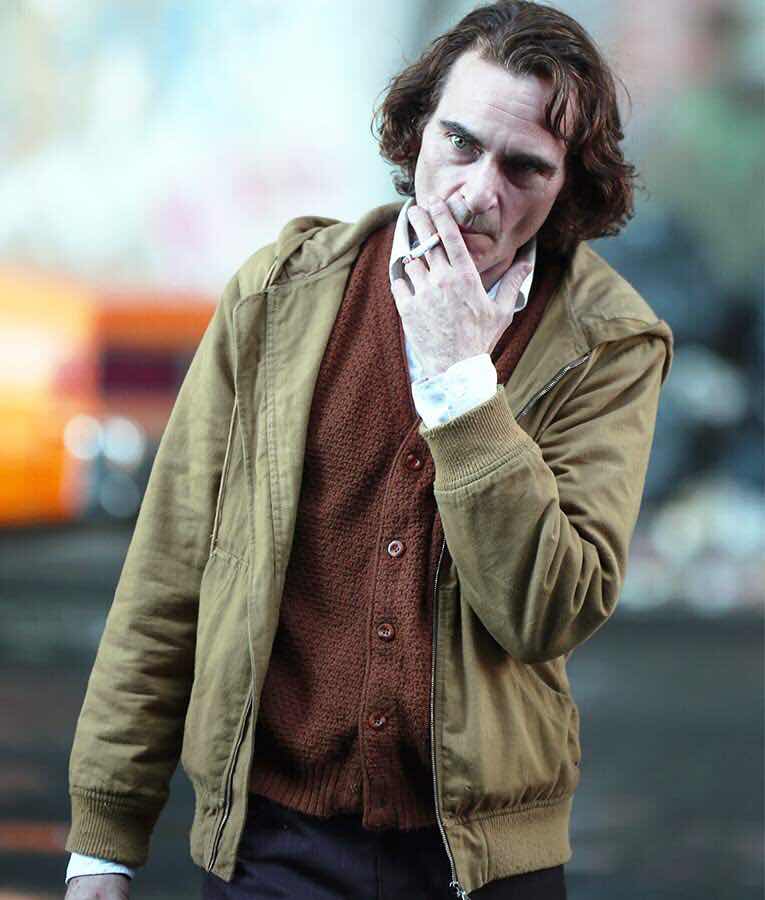
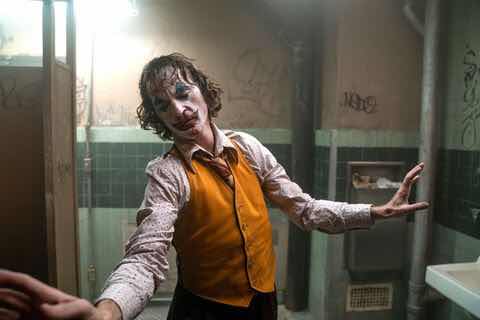
Arthur Fleck (Joaquin Phoenix) is the kind of professional clown you’d see working at a used car lot – a recipient of more bruises and derision than of audience laughter. He lives with his frail mother, struggles through visits with his social worker, all the while harboring dreams of being a successful comedian.

Judging by the theater marquees, this Gotham is the New York of 1981, back when Times Square was still a squalid mess. A city of rot, the garbage forever left uncollected. Phillips and cinematographer Lawrence Sher (Godzilla: King of the Monsters and The Hangover films) do a remarkable job of evoking the gritty, washed-out vibe of late-seventies, early-eighties New York films - which is no accident, as Joker owes a deep inspirational debt to a pair of Martin Scorsese films of that vintage: Taxi Driver (1976) and The King of Comedy (1982). Arthur Fleck is practically a blood relative of Comedy's Rupert Pupkin. 

Holding his lackluster life up against the late night TV comedy luminaries he idolizes, it's no wonder Arthur has had low points where he's not sure if he even exists. Arthur trudges through his life, somehow a magnet for indignities and abuse, slogging home up a vertiginous flight of stairs that makes the one in The Exorcist look like a molehill in comparison. It's The Marvelous Mrs. Maisel meets Barfly. 

How much can one soul endure before it starts to crack?  Arthur is broken, but so is the city he lives in. 1981 social services for the mentally ill were too little butter spread across too much bread, and the film does a remarkable job of getting into the skin of a man who's sick, who wants to belong, but who's been essentially abandoned and left to twist in the wind.

Joker is completely and utterly lit from within by Joaquin Phoenix, in one of the most detailed and immersive performances I can remember. His work is simply phenomenal, and reflects a craftsman who's clearly done an enormous amount of preparation. Arthur's laugh, his posture - the way he runs. It's truly convincing and compelling work, and for my money, Phoenix leaps miles ahead of the pack this year. This is by no means a mere villain's origin story. This is a story about trauma and the shadow of adversity, and what that does to someone when their last scrap of dignity has been snatched away from them. Phoenix manages to bestow incredible empathy for Arthur throughout his plight, even as his tethers to reality and sense of self begin to slip free.

Do not take your children to this film. Joker is not a superhero movie. There are moments of shocking violence in Joker's world. With everything that happens in this movie, I was expecting to come away feeling bleak and depressed, and was surprised to see how exhilarated I felt. The craft by both actors and filmmakers is simply that good. The oppressive dread of Gotham/New York powerfully enhanced by a score from Hildur Guðnadóttir (HBO’s Chernobyl).

In addition to Scorsese, Phillips and Silver mine shrewdly from past DC lore, including graphic novel The Killing Joke, by Alan Moore and Brian Bolland, as well as Frank Miller and Klaus Johnson’s opus, The Dark Knight Returns. 

We live in a world where sociopath loners have become more and more disturbingly commonplace. Don't make the mistake of thinking Joker glorifies or romanticizes them. Far from it. But by wrapping trauma, mental health and societal discontent in the thin cloth of comic book familiarity, Phillips has crafted a cautionary tale for our times that never forgets that there's a person behind the mask and makeup. The kind of wounded, broken person we walk past without noticing every day. Joker asks that we not forget them, and that we all do more than simply look away.


Sunday, September 15, 2019

It Chapter Two: Derry Redux


The kids are back in school, and Halloween's mere weeks away, so that must mean it's horror movie season. Incredibly it's been two years since director Andy Muschietti's adaptation of It blew the doors off the box office - a genre classic, and a massive success. It's no secret I'm a huge Stephen King admirer, and I absolutely loved the first film, so there was no way I was missing Muschietti's follow-up.

Where the 2017 It focused on the characters as teens, Chapter Two picks up 27 years later, with the older Losers now scattered on the wind, their terror in Derry forgotten, grinding away in adulthood. Only Mike Hanlon (Isaiah Mustafa) remained in Derry, and when terrible murders begin again, he picks up the phone and starts calling. "You need to come back."

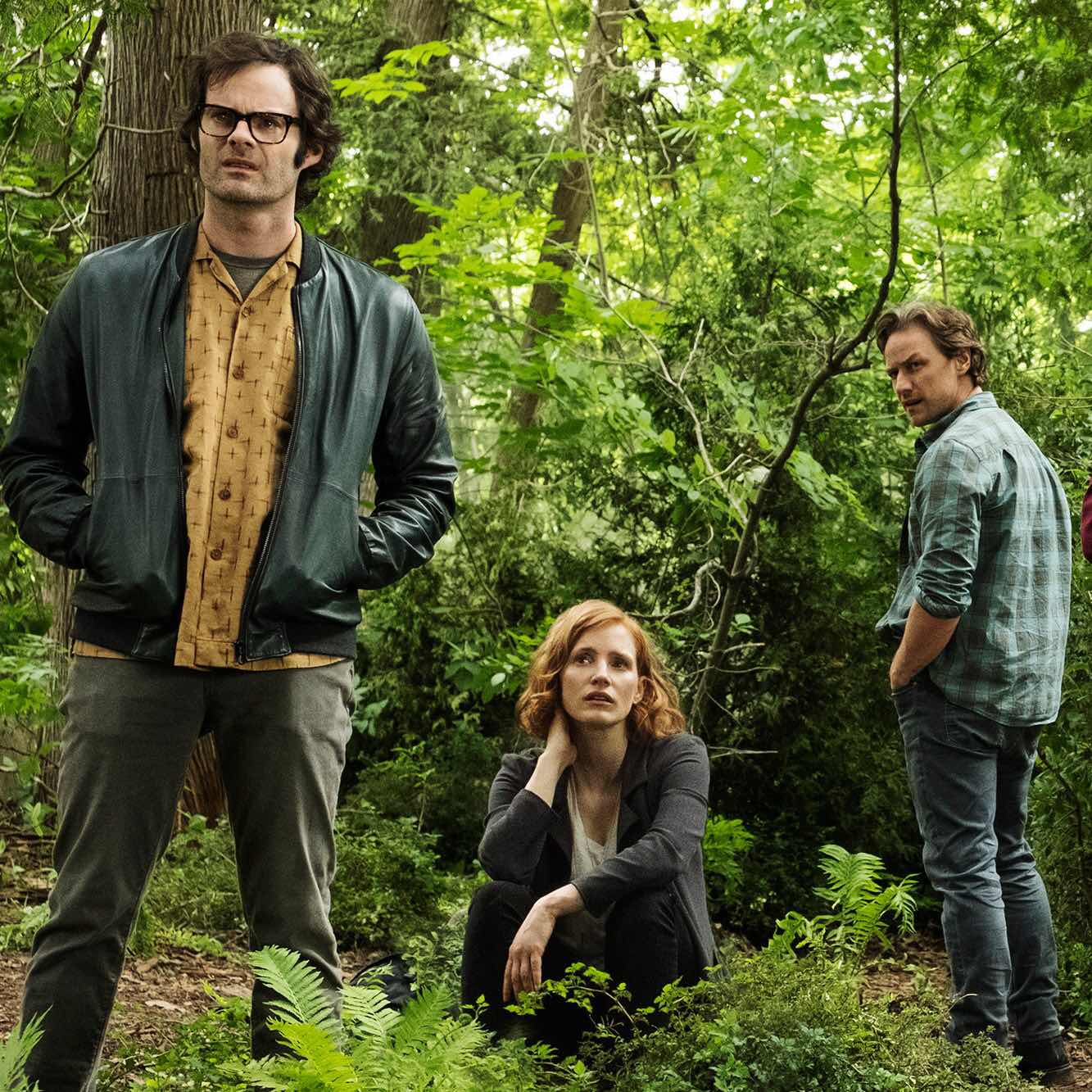
Compared to the young unknown cast of the first film, it's a different experience seeing the characters embodied by name actors. Jessica Chastain, James McAvoy and Bill Hader fill the lead roles of Beverly Marsh, Bill Denbrough and Richie Tozier. It's good casting, and these three do great work inhabiting older incarnations of the characters. Hader is particularly effective as the aggressive comedian of the group. Bill Skarsgård continues to go to phenomenally disturbing and successful extremes as Pennywise. All the ingredients are there - more famous, bigger, longer! But I found those aspects of the picture worked against it, and there were also a few key elements missing.

This time screenwriters Cary Fukunaga and Chase Palmer are not part of the mix, with Gary Dauberman handling things solo. It's a big story with a lot to juggle, and things aren't always handled as deftly as they were in the first film. Likewise, original cinematographer Chung-hoon Chung (Oldboy) has been replaced by Checco Varese, and the shot compositions simply aren't as iconic as in the first film.

Chapter Two begins with a truly awful homophobic assault that King included in his novel after a similar event in Maine that actually occurred. Regardless, the scene is hard to watch and feels equal parts dated and oppressive. This scene is quickly followed by a brutal sequence of Beverly on the receiving end of her husband's domestic violence. In short, the tone starts off pretty bleak and off-putting right out of the gate.

Once the gang has returned to Derry and accepted that their fuzzy memories of the past are returning, the film gains strength. This is a great example of a film with a second act that's much stronger than the first or third. That middle section of the picture is where things are most compelling and the cast really gets a chance to shine. A scene where Beverly has to return to her awful childhood apartment and meet the elderly woman now living there gives Chastain - and the film - some of their best moments. The core of this movie is having to face past trauma and how it's forever damaged you. Adverse Childhood Experiences, indeed. This is where the story uses horror as it's meant to be used, as metaphor to deal with the brutality of life. The various scenes where each of the now-adults must face their past and look it in the face are fantastic, and for the most part extremely well done - for the most part.

The film is way too self-referential, and overflowing with "homages" and clumsy references to other films and even other King works. One effects sequence blatantly cribs an infamous scene from John Carpenter's The Thing, then tosses off the exact accompanying oft-quoted barb of dialogue, just to make things worse. That's not just painful, it's embarrassing.

There seems to have been a desire to make the climactic face-off with Pennywise the biggest, most drawn-out finale in horror history. They definitely succeed on the drawn-out part. It Chapter Two is a behemoth 2 hours and 49 minutes long (compared to the original's 2 and 15), and it feels it. It's easily 40 minutes too long, with a telescoping ending that tries the patience of the audience to a grim - and dimly lit - degree.

I have a huge amount of fondness for the story of It. It reminds me of my childhood friendships to an uncanny degree. I wanted to love Chapter Two, and there are large parts of it where I did. But there were too many long stretches where I just felt detached and depressed by the loudness of the machinery, and the meanness of spirit. 


Saturday, August 3, 2019

The Hills are Alive: Once Upon a Time... in Hollywood


My biggest regret with Once Upon a Time ... in Hollywood is that I'm not able to immediately sit down and watch it again - because I absolutely can't wait to. This review is spoiler-free, because if you're a Quentin Tarantino fan, my main goal here is to propel you out the door and get you into the theater muy pronto, as this is one of his absolute best, easily on a par with Pulp Fiction, possibly even surpassing it.

I loved this movie. I also think the less you know about it going in, the better off you are. As you might suspect, this is Tarantino's love letter to the Hollywood he grew up being formed by. It's 1969, an era of Screen Gems and Quinn Martin Productions - of Mannix, The Green Hornet and Matt Helm. He references everything from Land of the Giants to Sergio Corbucci, and it's a tidal wave of giddy nostalgia wrapped up in a supremely engaging story driven by two fantastic characters. The sixties were coming to a close, darkness was emerging and society was changing. It was a summer where American was changed forever.

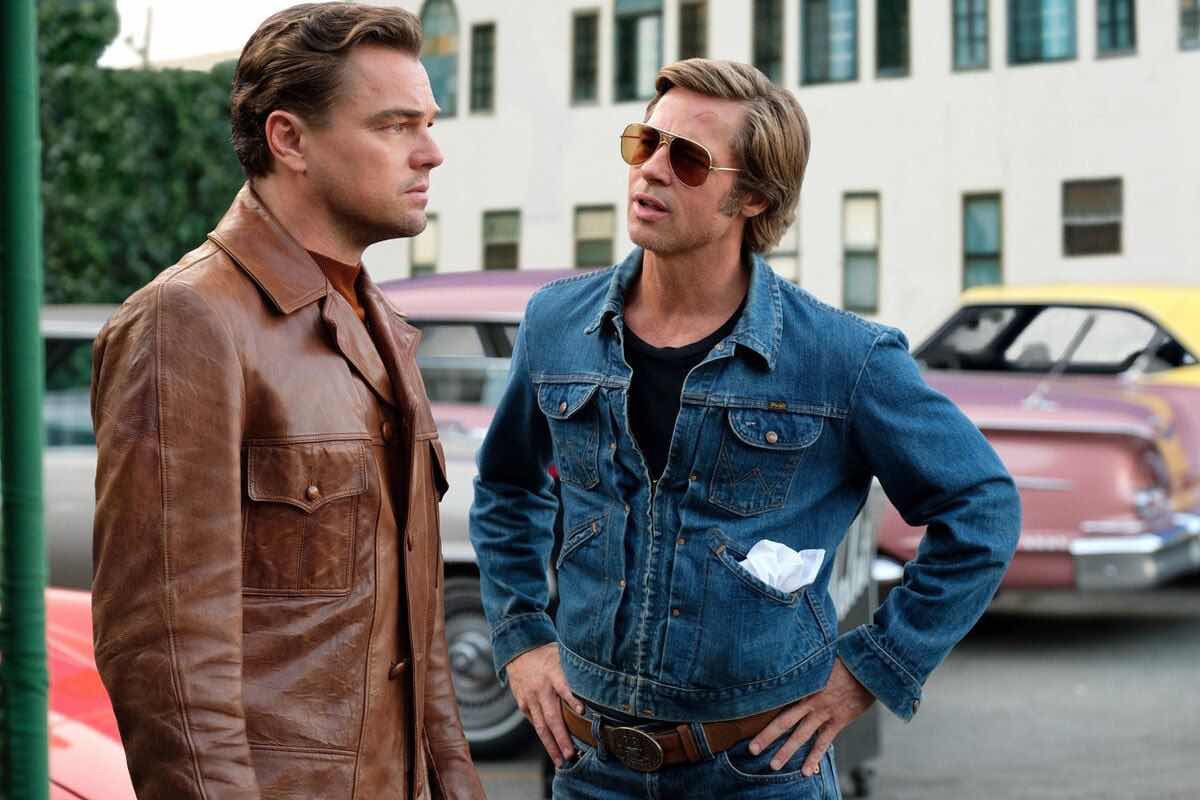
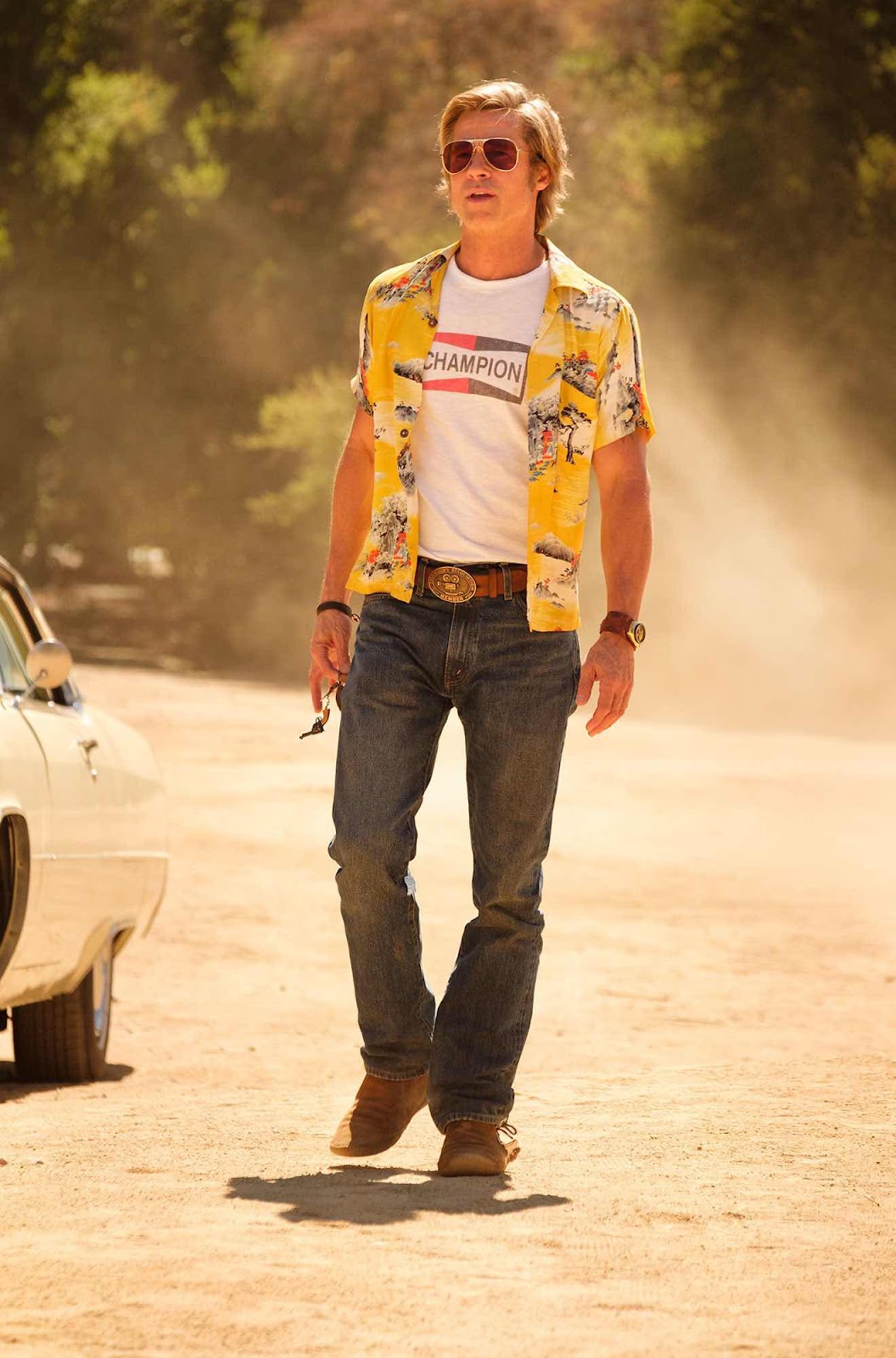
In one of the all-time great casting coups, Leonardo DiCaprio and Brad Pitt team-up in roles we'll be quoting for a long, long time. Rick Dalton (DiCaprio) is an actor now past the heyday of his TV western prime. His series Bounty Law looks an awful lot like Steve McQueen's Wanted Dead or Alive. Rick's getting older now, and times are changing. DiCaprio is wonderfully open and vulnerable in his anxiety about an uncertain future. His former stunt-double and best friend is Cliff Booth (Pitt), who's more often Rick's chauffeur and handyman these days. Both of them are finding that the world around them is changing, with the potential to leave them in the dust. I honestly don't think either of them have ever been better. DiCaprio is raw and in constant motion. Pitt is unflappably cool and centered - a seasoned bad-ass who doesn't rattle easily.

Once Upon a Time ... in Hollywood feels like it was written to perfection. Every scene has a purpose, and its constantly fascinating. Nothing's wasted, and nothing feels indulgent. It's also hilarious. At 2 hours and 41 minutes, it feels like a brisk half-hour. It also feels like Tarantino is maturing magnificently. To have this fall on the heels of The Hateful Eight is evidence of a writer/director at the height of his powers, who's wildly in love with character and narrative. The picture is full of terrific scenes - too many to count. With the attention to period detail and morning-after apprehension, it shares a magnificent kinship with Boogie Nights, while staying very much its own unique thing.

Massive props to production designer Barbara Ling and legendary Cinematographer Robert Richardson. They time-travel the audience with remarkably effective ease.

There so much more I'd love to talk about, so many scenes I want to dive into, but you need to taste the wine first, then we can discuss and unpack. It may only be August, but for the time being, Once Upon a Time ... in Hollywood is the best picture of the year. Very highly damn recommended.


Sunday, July 28, 2019

The Lion King: A Roaring Success


In the current Hollywood jungle, Disney is the apex predator. Disney now owns 40% of the domestic box office marketshare, and they've had a colossal year. With hits like Avengers: Endgame, Captain Marvel and Toy Story 4, they've amassed global ticket sales in excess of $7.67 billion, the all-time record for a single studio, and The Lion King is a big slice of that pie, soon to be the latest offering to crest the billion dollar mark. The year's barely half over, with Frozen 2, Maleficent and Star Wars: The Rise of Skywalker still to come. Point being, these cats know what they're doing and they know how to satisfy an audience.

I was a little surprised when Jon Favreau was announced as director, as his 2016 literalization of The Jungle Book covered such similar territory. Maybe that was the appeal - to explore a similar conceit and make it feel unique. Whatever the case, Favreau does a tremendous job here. I've been surprised by the somewhat lackluster reviews The Lion King has received, as this feels exactly like the experience the trailer promised. There's great fealty to the source material, whose dialogue and songs have become downright iconic - yet depicting the characters in such a vivid photrealistic style feels fresh and engaging. You'd swear that Rafiki (John Kani) is a living, insightful primate.

Supremely smart move to have James Earl Jones return to voice Mufasa, sounding as strong and focused as ever. He's wonderful, as always. JD McCrary and Shahadi Wright Joseph feel just perfect as the younger incarnations of lion cubs Simba and Nala, with Donald Glover and Beyoncé (Knowles Carter) as the grown-up versions. Alfre Woodard and John Oliver are also outstanding as Sarabi and Zazu. But it's Chiwetel Ejiofor who truly rules here as vindictive uncle Scar. The character design of all the animals is excellent and astonishingly convincing, but the design of Scar is utterly amazing, and Ejiofor inhabits him with pitch-perfect conviction and malice. 

Billy Eichner and Seth Rogen play comic relief duo of Timon and Pumba, and if I have one issue with The Lion King, it's Eichner's Timon, who's a bit much, putting it mildly. He dials it up way past eleven, and threatens to give new life to sterotypes that likely do more harm than good. It's Timon channeling Paul Lynde. 

Favreau does a superb job weaving this all together. He's been the home run hero for Disney and I'm a little giddy to see what he's come up with overseeing The Mandalorian for Disney+. The Lion King feels like it was exhaustively storyboarded, as the shot composition has a fantastic, classicist style that makes this iconic, Shakespearean fable feel like it's been faithfully honored. The pace never lags, and it's a perfect summer outing for every demographic of the family to share together. It's fun, and like Cinderella and Beauty and the Beast before it, does a heartfelt job of keeping the story alive for new generations of young moviegoers, who are clearly enjoying the experience. 


Sunday, July 21, 2019

A Midsommar Night’s Scream


Fans of Real-Deal horror films: take note. Not schlocky gore-porn (lower-case) horror, but the legit article. In a summer that's featured plenty of tepid franchise fatigue, director Ari Aster (Hereditary) has served up something unique that (for the most part) you haven't seen before. It's also (like his previous outing) easily one of the most disturbing pictures of the year.

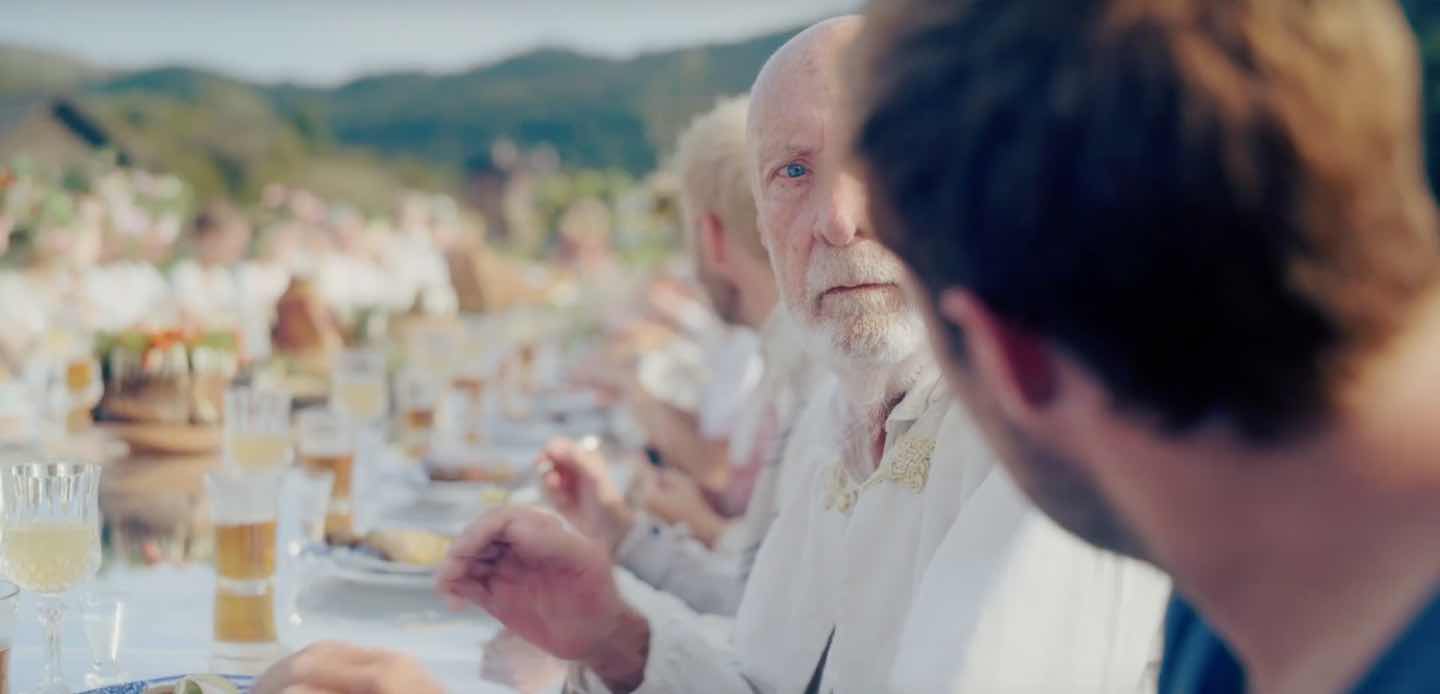
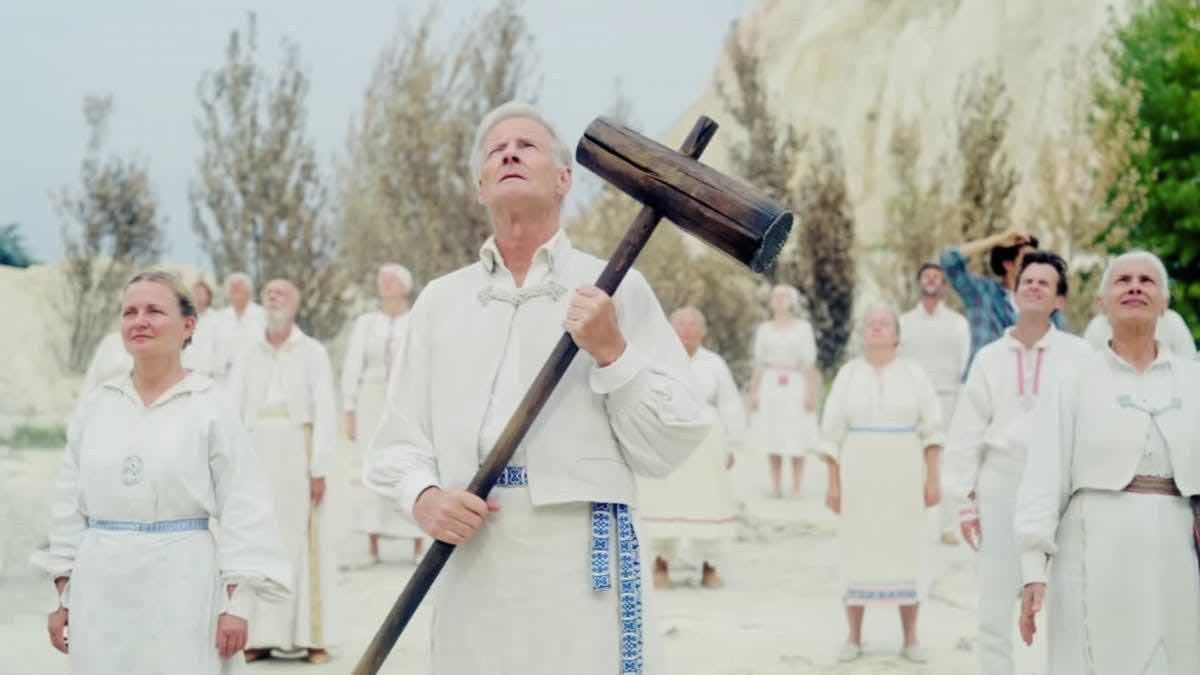
A couple and their grad student friends travel to a remote, pastoral Swedish village for the town's historic mid-summer festival. Dani (Florence Pugh) is on unsteady ground with her boyfriend Christian (Jack Reynor), and recovering from traumatic tragedy. The beginning of Midsommar has a lot in common with Hereditary, particularly in the emphasis of grief. Midsommar also features a character in the throes of agonizing, keening grief, so painful and unflinching that it threatens to shatter the soul. Aster is particularly fond of scenes where the audience feels like they shouldn't be watching. Of lingering on shots where 99% of other directors would cut away. Often in horror and suspense, what's not seen can be more effective and unsettling than what is starkly depicted. Aster's unblinking eye doesn't exactly dare you to look away, but rather makes you feel complicit.

Beyond the setup, I'm not going into any further details as far as plot. The less you know the better - and the more unhinged the film is likely to leave you. While Midsommar is upsetting, it's also much funnier in places than I was prepared for. Aster and his cast do a great job of letting the characters reveal their lack of self-awareness as they interact with both a village of unfamiliar citizens, and each other. The dialogue is terrific. Having a cast consisting of virtually all unknowns makes it very easy to lose yourself in their circumstances with no pre-associations. Keep an eye on William Jackson Harper - that guy is going places, I'll guarantee.

Unlike most genre pictures, thanks to the Land of the Midnight Sun, much of Midsommar takes place in broad daylight, which is unnerving and surreal, and incredibly effective. There are few shadows to hide in. Production Designer Henrik Svensson has done world-class work building and decorating the village structures with a mind-blowing amount of historical, foreboding detail. Hereditary cinematographer Pawel Pogorzelski lenses the serene bucolic village and its inhabitants in lush, immersive style, including the absolute best, most disorienting inverted camera I've ever experienced. There's a dreamlike quality to many of the images, and they'll likely be staying with you for longer than you might prefer. If the film sound intriguing, I'd strongly urge seeing it in the theater and not waiting for home video, as Aster and Pogozelski have crafted real cinema here that cries out to be appreciated on the big screen - if your brain can handle it.

Amidst the current marketplace, Midsommar feels powerfully original and vivid. Aster takes his time (2h 27min), letting things play out with natural, unforced eccentricity. It joins a small corner of the genre you might think of as folk horror, and owes a profound debt to Robin Hardy's 1973 The Wicker Man. It seems there's a new wave of adult horror cresting, with films like The Witch, and Jordan Peele's Get Out and Us - and Ari Aster is right at the front of the pack. A bright spot in the summer movie season that just may detach your retinas. For genre fans, highly recommended. 


Thursday, July 11, 2019

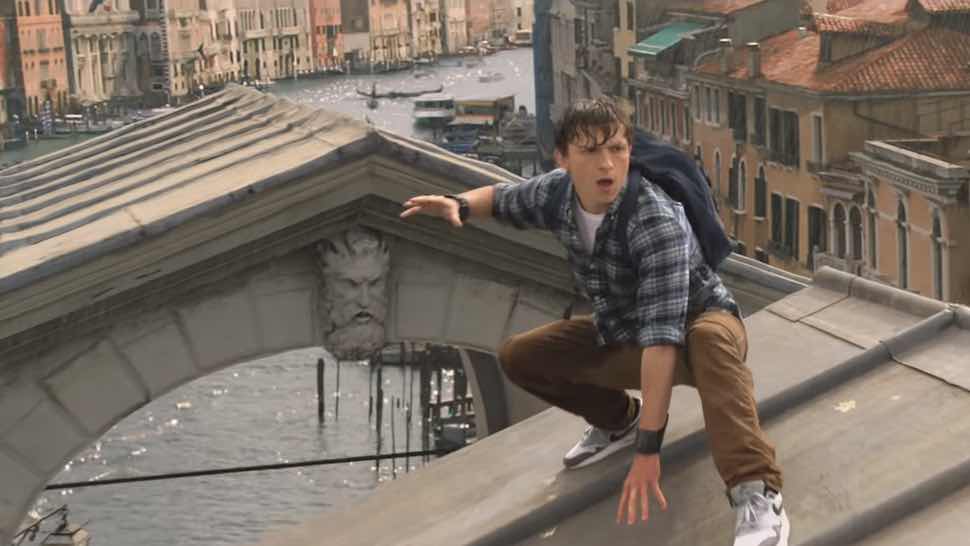
Spider-Man: Far From Home, Far From Perfect


After the stellar success of Avengers: Endgame, any superhero outing is likely to pale in comparison. Though in many ways, Spider-Man: Far From Home serves as a post-banquet confection or coda to Endgame, as it's set in the days following the global annihilation/resurrection of The Snap (or "Blip" as it's called here), with an emerging hero - Tom Holland's Peter Parker - who like much of the world, is still picking up the pieces after the death of his beloved mentor, Tony Stark.

Did Tony intend for Peter and Spider-Man to take on the mantle as leader of The Avengers? Those are intimidatingly big shoes to fill, and a heavy burden to contemplate. Fortunately, Peter's school is headed to Europe for a class trip to Venice, and beyond.

The plot thickens when Peter's recruited by Nick Fury (Samuel L. Jackson) and a new ally called Mysterio (Jake Gyllenhaal), as a gaggle of inter-dimensional Elemental creatures (a water being, a molten thing, etc.) are threatening the tourists. All Peter really wants to do is find time to be closer to MJ (Zendaya), so he can express how he really feels to her. Turns out that's all the audience really wants, too.

Directed by Spider-Man: Homecoming helmer Jon Watts, the film is most successful when the focus is on these young innocents abroad, who have terrific chemistry together. Jacob Batalon and the other school pals are back from the first film, and when they're just left to interact and stumble giddily towards independence, there's genuine fun to be had. Holland and Zendaya are terrific together, especially when Holland's awkwardly trying to express himself. He carries the picture. I found when Parker's more angst-ridden and Stark-haunted, things were less engaging. I have to say I enjoyed Homecoming much more.

Part of that may be Gyllenhaal's character, who just wasn't as gripping or involving as I'd have liked him to be. It doesn't help that he's often surrounded by an avalanche of eyeball-numbing CG, swarms of lethal drones that caused this viewer to check out in Act 3. The story wasn't as compelling and the stakes didn't feel as personal. And as in Captain Marvel, they seem to be using Nick Fury more for laughs these days, and he's not nearly the bad-ass he used to be in The Winter Soldier

More Ant-Man than Avengers, Spider-Man: Far From Home is diverting enough, but it swings nowhere near the heights of Spider-Man: Into the Spider-Verse. It's a fun summer escape, but by no means a Marvel classic. Now that Marvel Studios has concluded Phase 3, here's hoping Holland gets the true Spidey opus he deserves.